
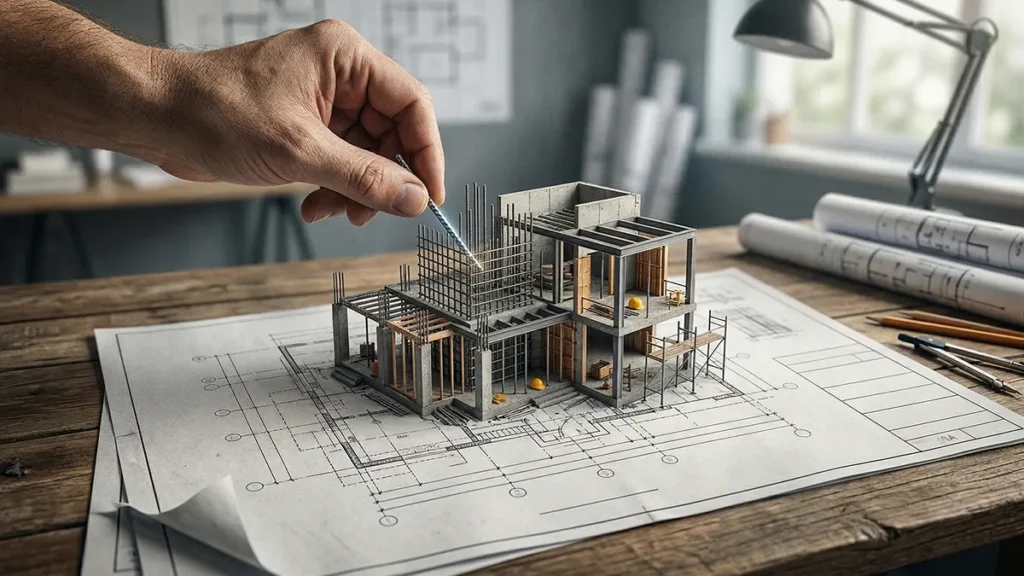
Building a home is one of the biggest investments of your life, but it can also be overwhelming without the right preparation. House construction in India requires careful planning, from choosing the right materials to ensuring structural integrity. And even more importantly, some mistakes are too costly to ignore.
Before breaking ground on your dream home, here are key things you should never ignore to ensure a safe, durable, and strong structure.
1. Choose the Right Building Materials
Selecting the right building materials is crucial for the longevity of your home. Many homeowners make the mistake of focusing on cost alone, but material quality is what makes a building truly durable.
For example, TMT rebars – especially ET TMT are a must-have for any construction project. TMT bars are designed to:
- resist corrosion
- endure high tensile strength
- provide flexibility under stress (crucial for seismic zones in India)
Don’t compromise on materials – your home’s foundation depends on it.
2. Conduct Soil Testing and Foundation Analysis
Soil testing is an often-overlooked but critical step in house construction. The soil condition directly impacts the type of foundation you will need.
Why it matters:
- Poor soil conditions (e.g., black cotton soil) can lead to foundation settlement
- High moisture levels can cause swelling or shrinkage in clayey soil
For differential settlement or seismic conditions, you need deeper foundations like pile foundations or raft foundations.
Tip:
IS 3370 outlines methods for soil investigation and foundation design.
By understanding the soil type and bearing capacity, you can avoid cracks, sinking, and structural failures later.
3. Design the Structure with Safety in Mind
When planning your home’s structural design, safety should always come first. Building codes in India like IS 456:2000 – lay down essential guidelines to ensure the structure can withstand both static and dynamic loads.
Some crucial considerations:
- Load-bearing walls
- Seismic zones in your area (e.g., Northern and Western India)
- Roof structure: should be designed to handle wind loads
- Window and door placement for safety during natural disasters
Having an experienced structural engineer is essential here. They will guide the load calculations, reinforcement details, and foundation depth, ensuring your house is strong and safe for years.
4. Get the Right Permissions and Approvals
In India, construction permissions from local municipal bodies are mandatory. It’s easy to get caught up in the excitement and overlook the paperwork, but skipping this step can result in fines or demolition.
What you need:
- Building approval from the local municipality or panchayat
- NOC (No Objection Certificate) from neighbors (depending on local rules)
- Environmental clearance (for larger projects)
- Structural safety certificate from a licensed engineer
Skipping these approvals can lead to legal hassles and unnecessary delays, so make sure to get your paperwork in order before you start digging.
5. Ensure Proper Storage and Handling of Construction Materials
The way materials are stored and handled on-site can have a significant impact on their performance and longevity.
For example:
- TMT bars should be stored off the ground to avoid rusting
- Cement must be stored in dry, ventilated conditions to prevent moisture absorption, which can lead to poor mixing and strength loss
Material Management Tips:
- Check for material certification (ISI marked TMT bars)
- Follow IS 456 and IS 3370 for the proper storage of materials to avoid wastage and ensure quality
6. Set a Realistic Construction Timeline
A realistic timeline is essential for smooth project execution. Having a project manager helps to ensure that work proceeds as planned without unnecessary delays.
Key Points for Setting a Timeline:
- Land survey and design approvals take time
- Procurement of materials and labor scheduling should be factored in
- Weather conditions and holidays (especially during monsoons) can cause delays
Don’t rush the planning phase. A well-structured timeline ensures that there’s enough time for quality control, proper curing of concrete, and TMT reinforcement placement.
7. Factor in Future Expansion or Modifications
It’s always a good idea to consider future expansions when designing your home. Even if you’re not planning to add a floor or extension immediately, thinking ahead can save you costs later on.
Key Ideas:
- Leave space for additional rooms or floors in the future
- Plan utilities (plumbing, electrical, etc.) so they can be easily extended
- Ensure reinforcement for additional weight if you plan to build vertically later on
Planning for the future not only makes your home more flexible but also prevents the need for major structural changes that could compromise your home’s integrity.
8. Consider Sustainability in Your Construction
Sustainability is no longer just a buzzword. It’s now a priority in construction, especially as green building materials and energy efficiency become more important.
Sustainable Construction Tips:
- Use eco-friendly materials like fly ash bricks, recycled aggregates, etc.
- Choose energy-efficient insulation and cooling solutions
- Plan for rainwater harvesting and solar panels
Incorporating sustainable solutions not only reduces your environmental footprint but also cuts long-term operating costs.
9. Plan for Water and Electrical Systems
Water and electricity are the lifeblood of any home, and it’s crucial to plan these systems early.
Water Supply and Drainage:
- Proper plumbing and drainage systems are essential for long-term health and comfort.
- Ensure waterproofing and damp-proofing to avoid water seepage and mold.
Electrical Systems:
- Choose fire-resistant electrical cables
- Ensure proper grounding of electrical systems
These systems should be incorporated into your home’s foundation planning, with the right pipes and cables laid out at the right stages of construction.
Final Thoughts: Planning is Key
Starting a home construction project requires more than just choosing the right materials or hiring the right labor. A strong foundation starts with proper planning.
- Soil testing and geotechnical analysis
- Choosing quality materials (like ET TMT bars)
- Designing for safety and structural integrity
These are the keys to ensuring a safe, durable, and long-lasting home.