
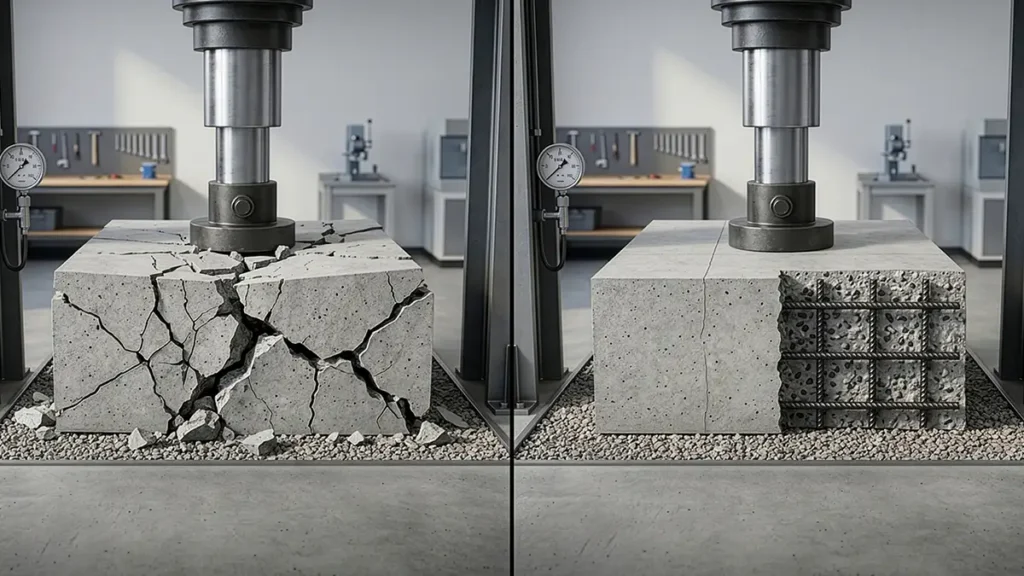
Concrete is one of the most widely used construction materials in the world, known for its exceptional compressive strength. However, when it comes to tensile strength – resisting pulling, bending, or cracking – concrete alone falls short. This is where rebar reinforcement becomes essential.
In modern construction, understanding when concrete needs reinforcement is critical for ensuring durability, safety, and structural integrity.
What Is Rebar Reinforcement in Concrete?
Rebar (reinforcing bar) is typically made of steel and is embedded within concrete to improve its tensile strength. While concrete handles compression effectively, it is weak under tension. Rebar compensates for this weakness, allowing structures to withstand various stresses without cracking or failing.
When combined, concrete and steel form a composite material – reinforced concrete – that offers both strength and flexibility.
Why Is Rebar Reinforcement Necessary?
Concrete structures are constantly subjected to different forces such as loads, temperature changes, and environmental conditions. Without reinforcement, these forces can lead to cracks, deformation, or even structural failure.
Key reasons why rebar is necessary include:
- Improves tensile strength and prevents cracking
- Enhances load-bearing capacity for heavy structures
- Controls shrinkage and temperature-related stress
- Increases durability and lifespan
- Provides resistance against seismic and dynamic loads
When Is Concrete Rebar Reinforcement Necessary?
Not all concrete applications require rebar. However, in many scenarios, it becomes essential for safety and performance.
1. Load-Bearing Structures
Rebar is crucial in structural elements like:
- Foundations
- Columns
- Beams
- Slabs
These components must support significant loads, and reinforcement ensures they don’t crack or collapse under pressure.
2. Large Concrete Slabs
For larger surfaces such as:
- Industrial flooring
- Parking lots
- High-traffic pavements
Rebar helps distribute loads evenly and prevents cracking due to weight and stress.
3. Areas Subject to Tensile or Bending Forces
Whenever concrete is exposed to:
- Bending (flexural stress)
- Stretching
- Twisting
Rebar becomes necessary, as plain concrete cannot handle these forces effectively.
4. Seismic or High-Stress Zones
In earthquake-prone regions or high-impact environments, reinforced concrete is essential. Rebar allows structures to absorb and dissipate energy, reducing the risk of collapse.
5. Retaining Walls and Structural Barriers
Structures that resist soil pressure or lateral loads – like retaining walls require reinforcement to prevent failure due to sideways forces.
6. Water-Retaining Structures
Tanks, reservoirs, and swimming pools require rebar to:
- Prevent leakage
- Control cracks
- Maintain structural integrity under hydrostatic pressure
7. Harsh Environmental Conditions
In environments exposed to:
- Moisture
- Chemicals
- Temperature fluctuations
Rebar improves durability and helps structures withstand long-term degradation.
When Rebar May Not Be Necessary
There are cases where rebar may not be required, such as:
- Small residential pathways or patios
- Non-load-bearing concrete elements
- Decorative or lightweight structures
However, even in these cases, alternative reinforcement like wire mesh or fiber reinforcement may still be recommended.
Factors That Determine the Need for Reinforcement
The decision to use rebar depends on several project-specific factors:
- Load requirements
- Soil conditions
- Environmental exposure
- Structure size and thickness
- Building codes and regulations
Proper planning and structural calculations are essential to determine the correct type, size, and placement of reinforcement.
Best Practices for Using Rebar in Concrete
To maximize the effectiveness of reinforcement:
- Ensure proper placement and spacing
- Maintain adequate concrete cover to prevent corrosion
- Use the correct grade and type of steel
- Follow engineering standards and codes
Improper installation can compromise the entire structure, leading to long-term failures.
Conclusion
Concrete rebar reinforcement is not just an optional addition—it is often a necessity for ensuring structural strength, durability, and safety. While small projects may not always require it, most modern construction relies heavily on reinforced concrete to meet performance demands.
Understanding when to use rebar allows builders, engineers, and developers to make informed decisions that enhance the longevity and reliability of their structures.
Why Choose High-Quality Rebar?
The effectiveness of reinforced concrete depends significantly on the quality of steel used. High-grade TMT bars, like those from Electrotherm Steel, ensure superior bonding, strength, and durability – making them a reliable choice for modern construction needs.